
Are you feeling overwhelmed, anxious, or stressed? You’re not alone. Stress is a common experience that can affect anyone, regardless of age, background, or lifestyle. Chronic stress can negatively affect physical and mental health. It can lead to anxiety, depression, and cardiovascular disease. You can find more information about the effects of chronic stress from the American Psychological Association (APA).
Fortunately, there are many simple and effective stress reduction techniques that can help alleviate stress and promote relaxation. In this article, we’ll explore effective ways to manage stress and improve your overall well-being.
- Deep Breathing Exercises for Stress Relief
Deep breathing exercises are a simple yet powerful way to reduce stress and promote relaxation. When we’re stressed, our breathing tends to become shallow and rapid. Consciously taking slow, deep breaths can help calm the mind and body. This is one of the simple stress relief techniques that can be done anywhere.
To practice deep breathing, find a quiet space and sit comfortably with your back straight. Inhale slowly through your nose, filling your lungs completely, and then exhale slowly through your mouth. Repeat this process several times, focusing on the sensation of the breath moving in and out of your body. You can find detailed instructions and information on breathing exercises from the National Institutes of Health (NIH).
- Physical Activity for Stress Management
Regular physical activity is a natural stress-reliever that can help reduce anxiety and improve mood. Exercise releases endorphins, also known as “feel-good” hormones, which can help alleviate stress and promote relaxation. You can learn more about the benefits of exercise for mental health from the Mayo Clinic. How can you reduce stress and anxiety through physical activity? Find an activity you enjoy. It could be walking, jogging, yoga, or dancing. Aim to do it for at least 30 minutes a day. - Mindfulness Meditation for Anxiety Management
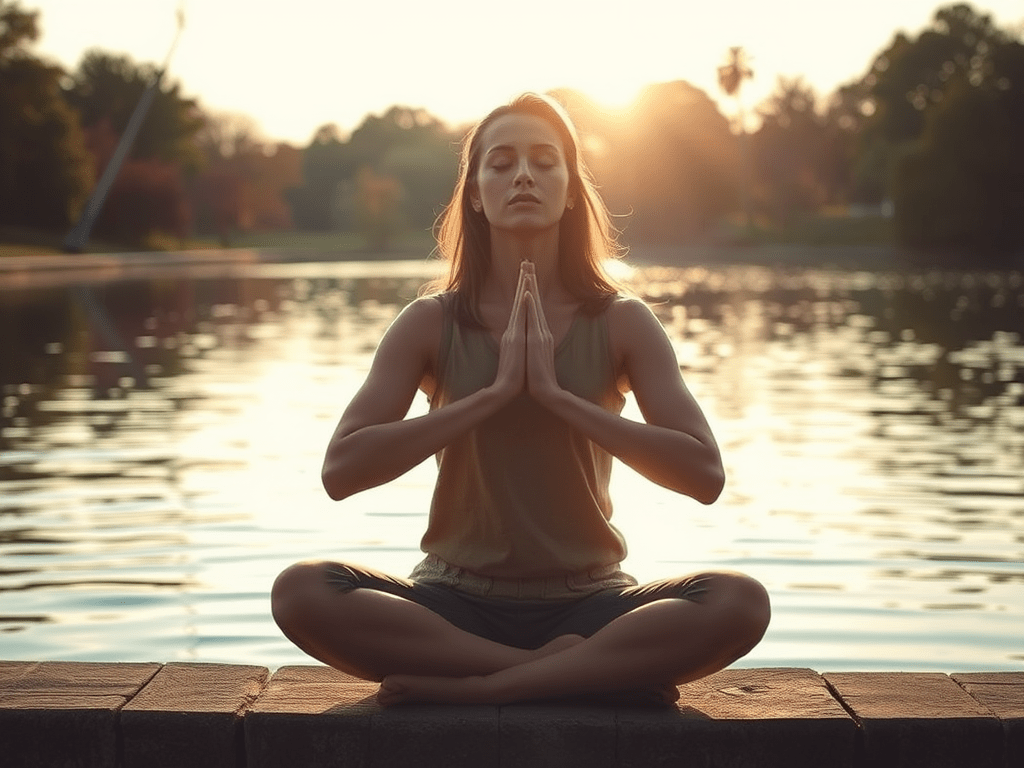
Mindfulness meditation is a powerful tool for reducing stress and promoting relaxation. This practice involves focusing on the present moment, without judgment or distraction. Stress relief techniques for anxiety like mindfulness meditation can be very effective.
To practice mindfulness meditation, find a quiet space and sit comfortably with your eyes closed. Focus on your breath, a mantra, or a physical sensation in your body. When your mind wanders, gently bring it back to the present moment. Start with short sessions, such as 5-10 minutes, and gradually increase as you become more comfortable with the practice. The American Psychological Association (APA) also offers resources on mindfulness.
- Journaling for Stress Relief
Journaling is a simple yet effective way to process emotions and reduce stress. Writing down your thoughts and feelings can help you gain perspective, identify patterns, and release tension. You can find information on the benefits of journaling for mental health from the University of Rochester Medical Center. Tips for reducing stress and improving mental health include setting aside time for journaling. - Social Connection for Stress Management
Social connection is a vital aspect of human well-being, and it can play a significant role in reducing stress. Spending time with loved ones, friends, or colleagues can help you feel supported, heard, and understood. Harvard Health Publishing discusses the importance of social connections for mental health. Ways to reduce stress at work include building strong relationships with your colleagues.
Conclusion
Stress is a common experience that can have negative effects on both physical and mental health. However, there are many stress reduction strategies that can help alleviate stress and promote relaxation. By incorporating deep breathing exercises, physical activity, mindfulness meditation, journaling, and social connection into your daily routine, you can better manage stress and improve your overall well-being.
Additional Tips
- Get enough sleep: Aim for 7-9 hours of sleep per night to help regulate stress hormones.You can find reliable information on sleep from the National Institutes of Health (NIH).
- Practice self-care: Engage in activities that bring you joy and relaxation, such as reading, listening to music, or taking a bath.
- Limit technology use: Set boundaries around your use of technology, especially before bedtime, to reduce stress and promote relaxation.
By prioritizing stress management and self-care, you can improve your overall health and well-being.
 SEARCHIFY
Leave a comment